"Another car maker admits to getting things wrong with emissions testing. Does that mean brand loyalty evaporates? Mitsubishi's Lancer Evolution was never a strong contender for 'green car of the year'. But we still love it.
Mitsubishi might not be "
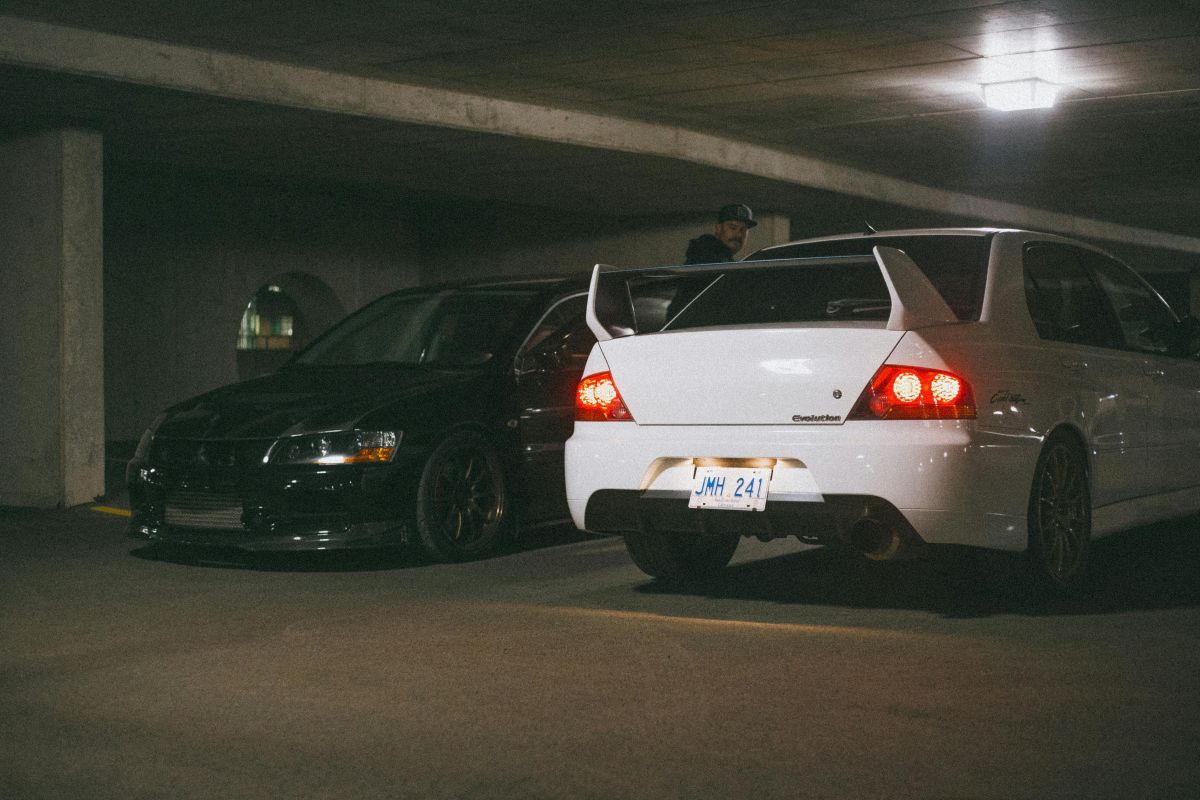
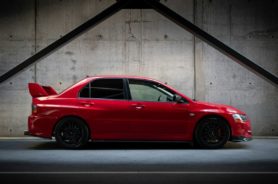
Evolution is the right word. The look of the Mitsubishi Lancer Evolution has nothing whatsoever to do with latte-sipping men in black rollnecks and everything to do with dirty-handed blokes in overalls.
This purposeful product started as a porridge, three-box Japanese saloon with a wing and got progressively more steroidal as its power multiplied. It has always been as ugly as it is fast, but like a broken nose or a cauliflower ear, its deformities have always signalled its intentions and been part of its appeal.
The Evo was actually an evolution from the Colt 2000 Turbo, whose badge it wore at the beginning of the journey in 1981. The looks have a clear link to the Evo, but the engine is the real bond; this was the first to use the legendary, endlessly tunable 4G63 2-litre turbo four which would remain an Evo constant until the introduction of the Evo X in 2007. It made around 168bhp here, but eventually would be stretched to over 800bhp. Mirror-script lettering on the front spoiler – ‘Turbo 2000’ in this case – urgently needs to make a comeback.
Evo I
This model was built as the basis of the World Rally Car, and the first to carry the Evo name and number. It arrived in Japan in 1992, making around 240bhp. The II and III were pretty similar (to non-Evo geeks, anyway).
Evo anoraks take note: what follows is just a few of our personal highlights, and not an exhaustive history.
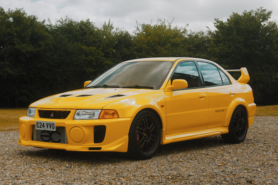
Evo V
The Evo IV introduced in 1996 was an all-new car and the basis of the Evo V and VI, but it was these later cars that started to arrive in Europe in numbers, first from grey importers and, eventually, officially through Mitsu’s importers here. It sparked the Evo-Impreza wars that dominated car magazine covers in the late nineties and early noughties.
Evo VII
Another all-new car in 2001; it was heavier but kept getting quicker and cleverer. The short-lived GTA automatic version – which came with an auto gearbox and could be specified with a luxury leather interior, chrome door handles and without a wing – was a personal lowlight. Deservedly rare.
Evo VIII FQ400
Having resisted importing the Evo for too long, the UK distributor then embraced it a bit too enthusiastically with the FQ – or effing quick – series. It was an extraordinary name for a big corporation to give a car, but it was an extraordinary car. It was a hard-tuned Evo with a warranty that you could order from a showroom; as the name suggests, it had 400bhp and could nut out a three-second 60mph dash. With 200bhp per litre, very regular servicing was essential.
Evo X
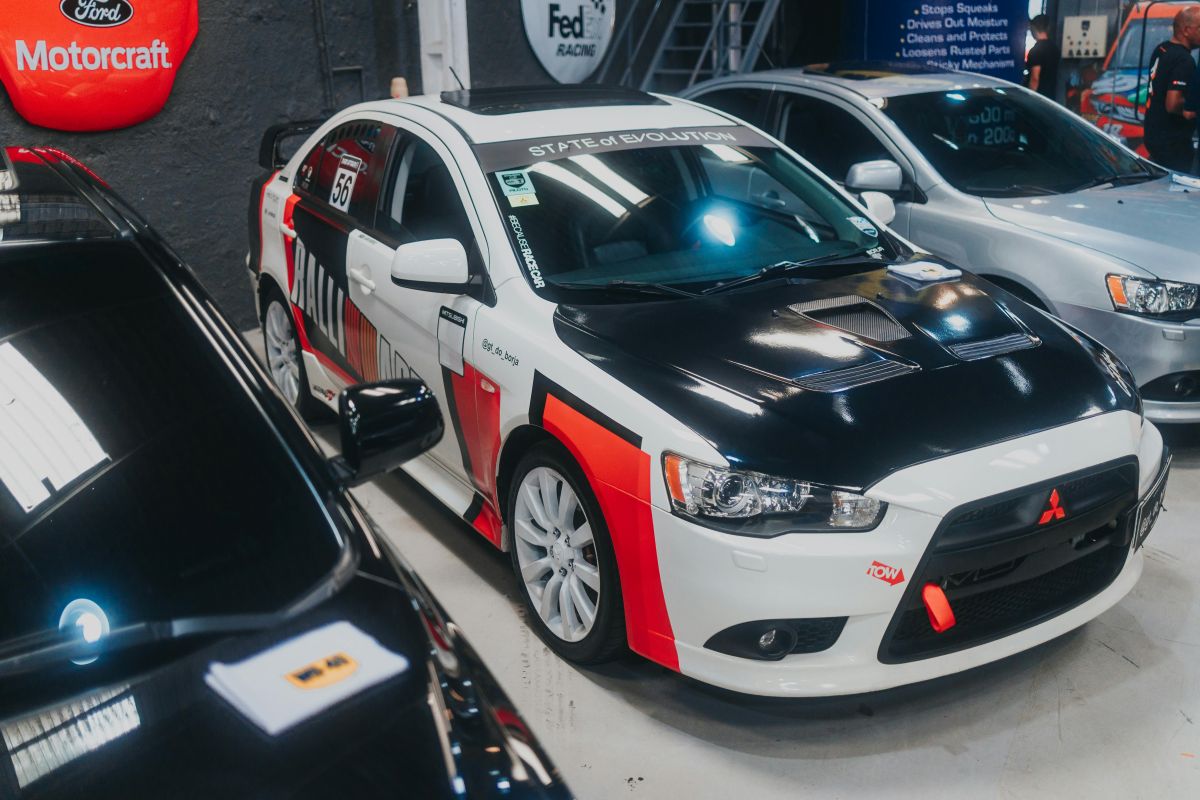
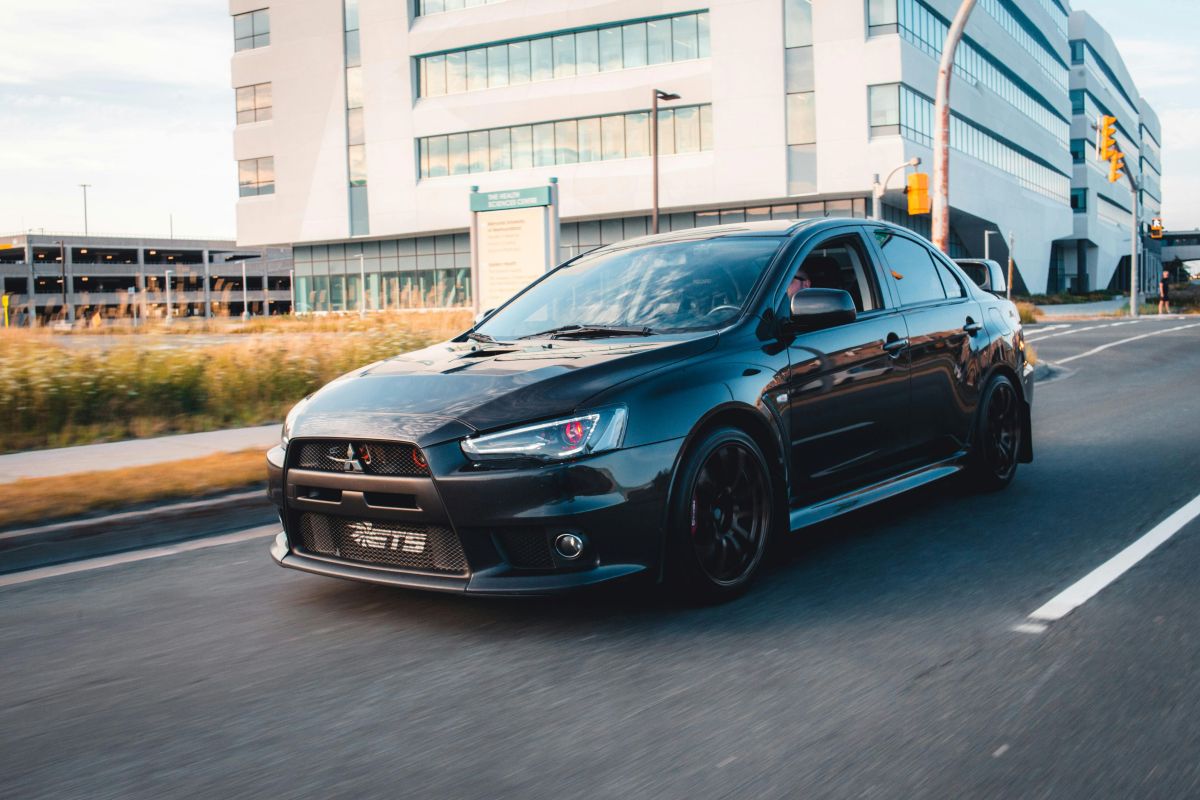
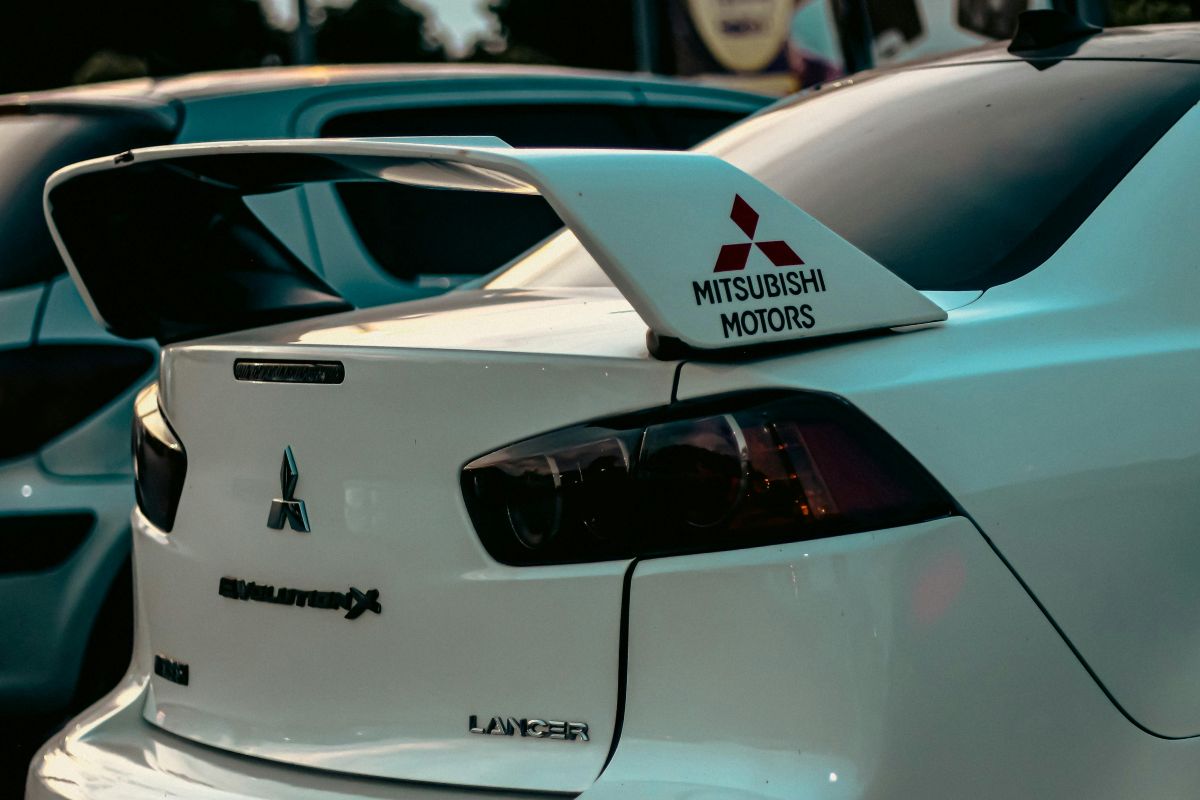
All change, again. This time, the Evo gets a bespoke body, its looks defined by fancy designers in Europe but with due deference shown to the past. All change under the bonnet too: emissions regs finally killed the 4G63, but the 4B11 is a worthy replacement and proved robust enough for the loons at Mitsu UK to offer another FQ400. The SST sequential-manual gearbox is the other big departure.
Evo XI?
Probably not. It’s been around a decade since the last Evo was produced, and not a word about an XI since. Sure, there have been some fan-made designs and renders, but nothing from the top dogs at Mitsubishi. They’ve made it clear that they want to focus on electric vehicles and crossovers, which is bad news for die-hard Evo fans. We’re still holding out hope that they change their minds…
"The Mitsubishi EVO. Where to start?! Throughout its 24-year history, the EVO name has been legendary for the Mitsubishi brand. And since being phased out back in 2016, the namesake has become even more of an icon.
Totalling 10 generations in all, "
"The Mitsubishi Lancer Evolution V(5) is, you could say, the point where the Evo truly evolved into the road-going monster we all know and love.
Despite being based on the same sixth-generation Mitsubishi Lancer as its predecessor, the Lancer Evolution "
"
Now, the Cordia isn't the sort of car that often makes even Japanese car fetishists salivate.
It's got that Renault Fuego-ish angular period aspect: though the Cordia had hard, origami style lines where the Fuego had voluptuous flow.
It came "
"The Mitsubishi Evo, much as we love it, is the only 'halo car' the company has. The trouble is that the Evo has been a cult success: so mythologized that its parent has almost been forgotten. It’s an Evo "
"This year, the Porsche 911 celebrates its 60th birthday. To commemorate this iconic legend, we take a look back at the sports car’s history, tracing its creation and the many iterations that made the 911 so successful.
Which year was the "
"The impact of Ford’s most infamous hatchback on British car culture, not to mention the UK modifying scene, can never be overstated. But, if we’re talking about the 1980s in particular, and we’re looking for just one "
"
The first motorised vehicle I ever owned was a 1986 Vespa T5 ‘Pole Position’. It was red and black. It had a little fairing on the bars. The one with the rectangular headlight and the ‘moon disc’ style wheels.
A little "
"Cosworth recently teamed up with Gordon Murray Automotive to develop a naturally aspirated, 3.9-litre V12 engine to power the GMA T.50 supercar, which will be the first ever GMA vehicle ever to go into production.
In case you didn’t "
"My first memory of an M3 was when my mate’s mum rolled-up in an E36 convertible. It must have been close to brand new at the time and I remember stopping to gawp - at the car. Top down, "