"There’s no doubt there’s plenty to talk about when it comes to the legendary Audi RS2 Avant. But perhaps the salient, not to mention most important, headline grabbers are these: This was the first Audi to sport the "


If not for this beautiful, elegant piece of saloon design, we would have no modern-day Audi, because the NSU Ro 80 was, in essence, the Genesis of the now-mighty German brand.
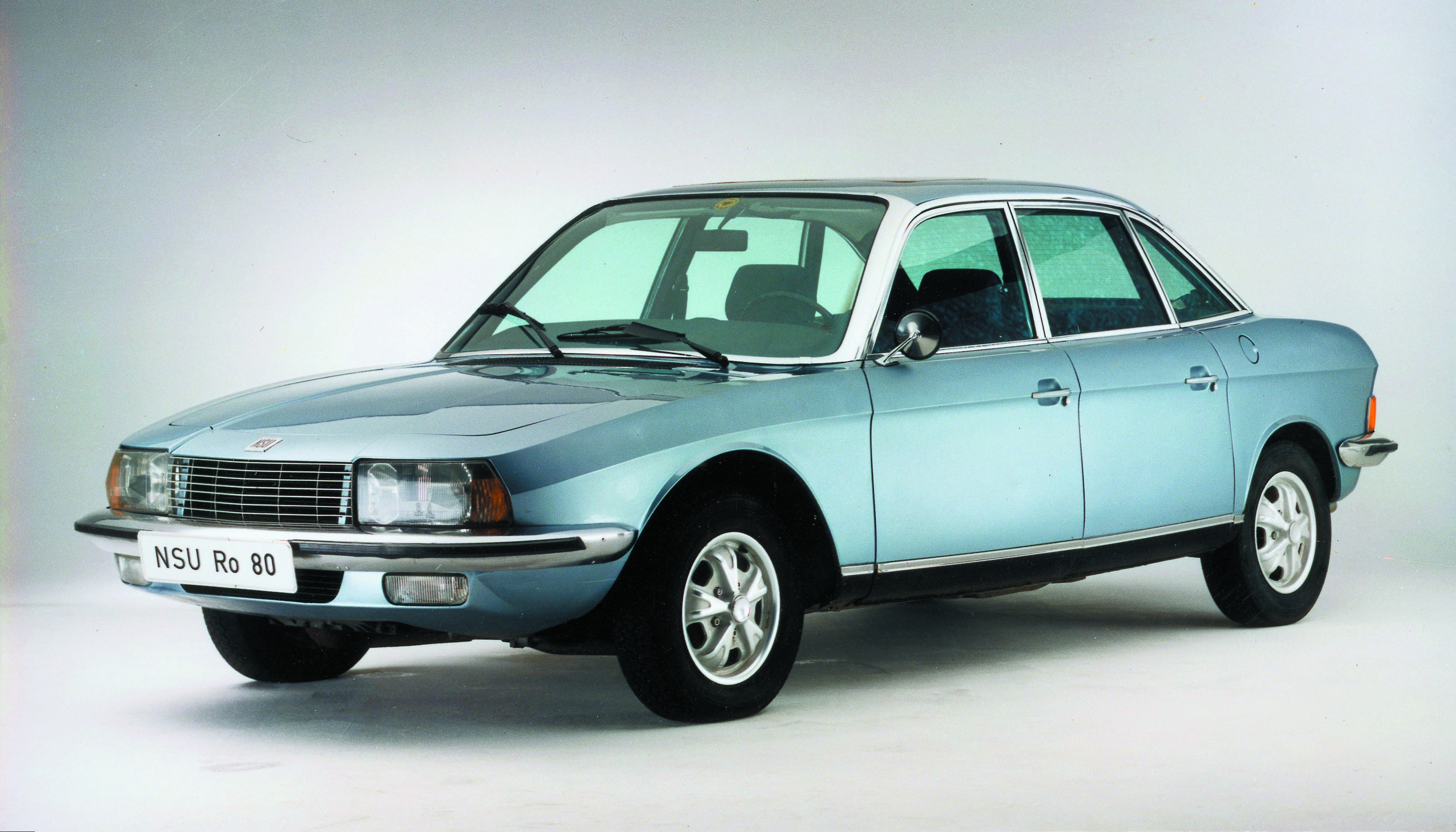
Of course, Audi’s original beginnings lay in the combined Auto Union of the 1930s, when Horch, DKW, Wanderer and Audi came together to try and take on the might of Mercedes-Benz in showrooms and on racing tracks. Back then, NSU made motorbikes. An abortive attempt at car production ended in disaster and the factory being flogged to Fiat. Perhaps they should have taken that as a warning…
Post-war, NSU decided to have another crack at the car thing, and designed the rear-engined Prinz, which used a neat little four-cylinder engine and, rather like its contemporary the Mini, was a small economy car that was surprisingly sporty to drive. It sold well, and thus emboldened NSU to decide that a bigger car, with more technology, would be appropriate. The firm had become interested in the work of Dr Felix Wankel (in spite of his somewhat dubious political history, ahem) and was keen on his light, powerful rotary engines. Suitably re-engineered by NSU’s own Hanns Dieter Paschke (something that apparently infuriated Wankel no end) NSU had some success with a small, light rotary-engined sports car called the Wankelspider. Yes, we know.
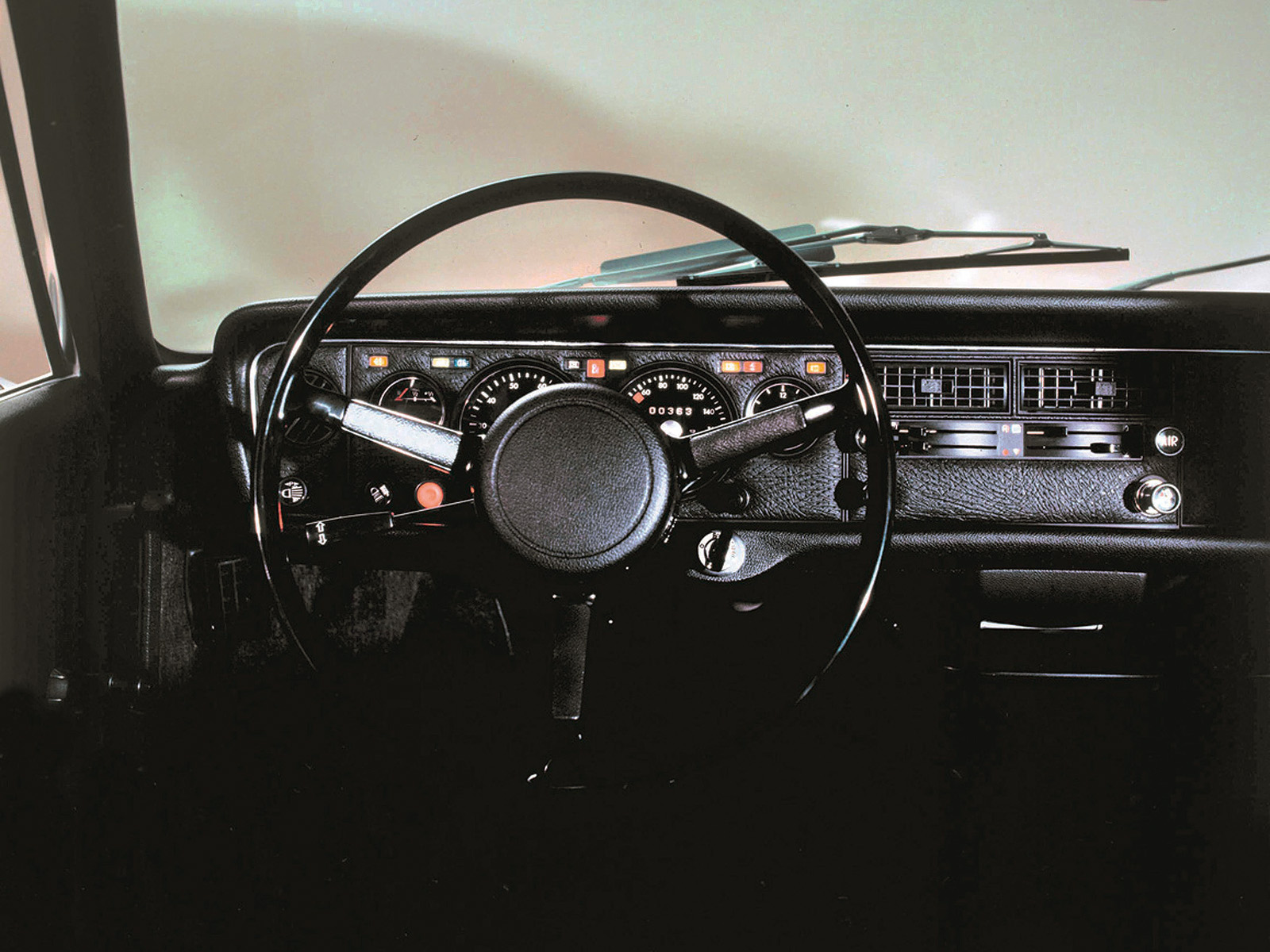
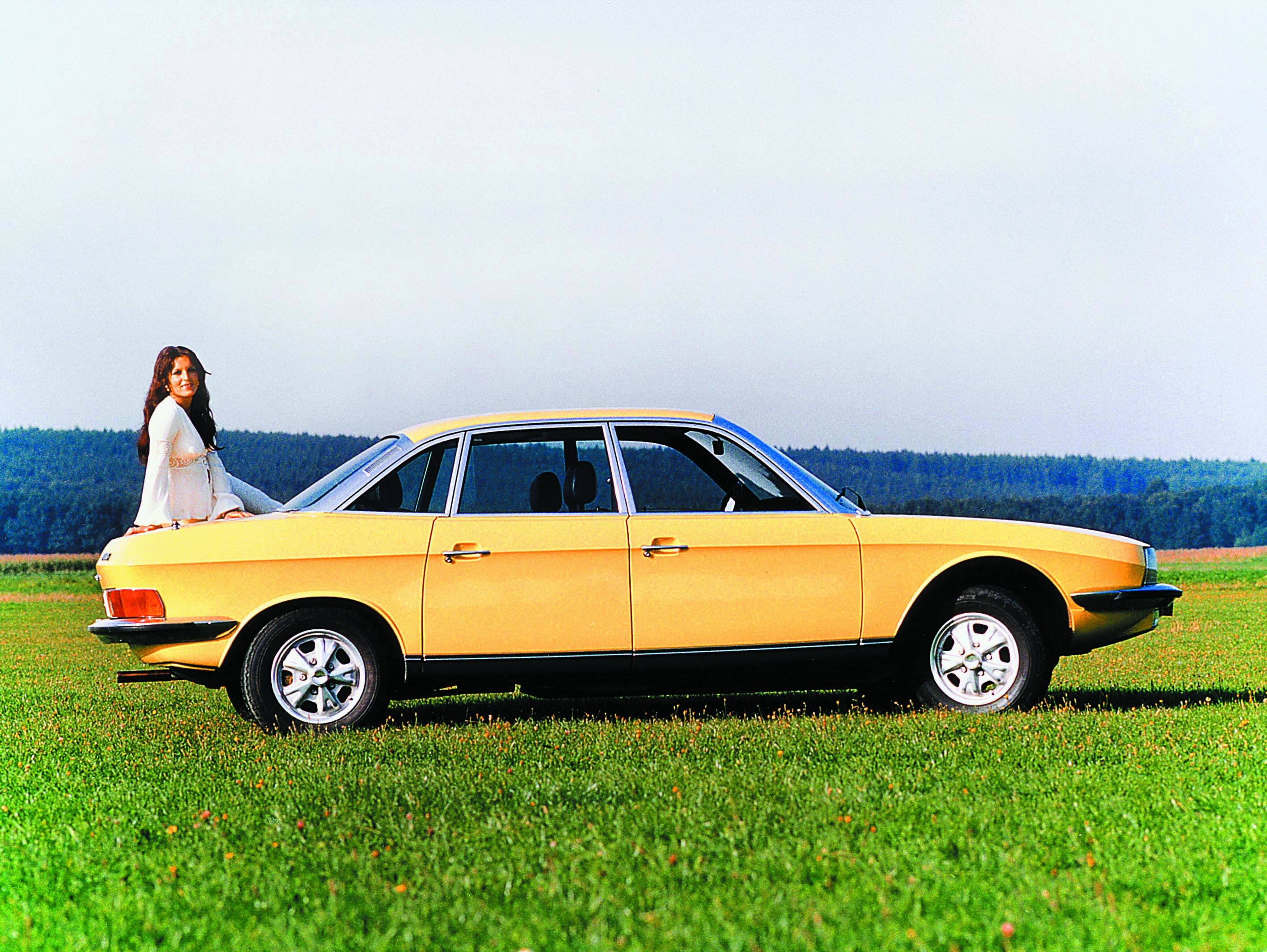
That sold well enough, so the next step was the Ro 80. And here is where the birth of Audi – at least the Audi we know – really starts to come into focus. Claus Luthe is more famous these days for designing BMW’s deservedly legendary E30 3 Series and even the dart-shaped 850i, but one of his first big jobs was the Ro 80. In it, he gave us a true classic: a low, chamfered wedge with perfect proportions, topped by a light, glazed turret of a roof. And Audi has really not budged all that far from the Ro 80 template. Even though he moved to BMW afterwards, Luthe has been, effectively, designing Audis ever since. The relationship is most obvious with the 1980s Audi 80 and Audi 100, but even today, the influence is clear. The low, jutting nose with prominent grille? Have a look at the Ro 80 and then look at Audi’s Audi A7 Sportback and tell me you don’t see the Ro 80’s face in there. Or look at the outgoing A5 coupe and then compare the up-and-over curve of the rear wing to that of the NSU.
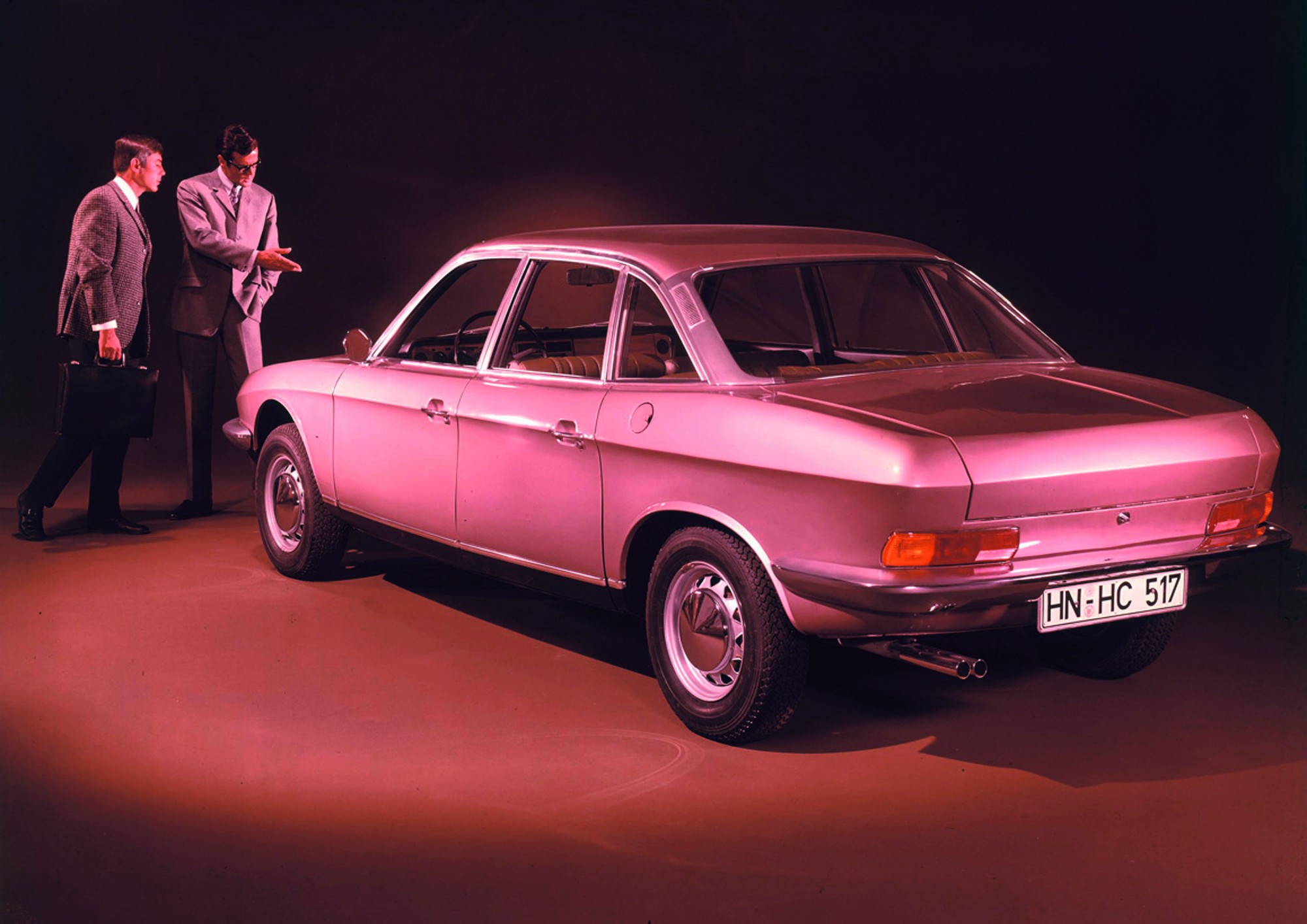
Of course, the Ro 80 has had a rather more significant influence than mere styling. That rotary engine was ground-breaking, but also bank-breaking. Smooth and silent it may have been, but poor metallurgical choices and a lack of mechanical understanding in dealerships meant NSU’s accounts were drained by repeated warranty claims, and it was forced to sell to Volkswagen in 1969. VW kept the Ro in production until 1977, after which the company was folded into a reborn Audi.
Now look at Audi. OK, so it created the Quattro in 1981, which was fairly daring, and the aluminium spaceframe in 1994, but by and large, Audi has been relatively mechanically conservative. It has made good use of the VW parts bin over the years, but models which seem groundbreaking (the TT Coupe, the R8 supercar) are actually pretty well grounded, using tried-and-tested mechanicals, wrapped in very stylish bodywork.
It’s almost as if, somewhere in Audi’s corporate DNA, there is a memory of a time when someone reached for the technological stars and fell well and truly short.
CLICK TO ENLARGE

"The Alfa Romeo 155 was only produced for six years between 1992 and 1998, but with nearly two hundred thousand hitting the streets in that time, there’s no denying its impact on ‘90s automotive culture. From the very beginning this car divided "

"The capital of Uganda, central Africa’s landlocked nation, is a city like any other. Its citizens need affordable transport - that’s fun and stylish too. Kampala city is well-known for its Boda Boda - the colourful taxi bikes "

"Love is a word that can mean many things. Sometimes it’s felt physically – an embrace after a hard day at work and sometimes it’s only the company that matters. Sometimes, we love through our efforts, and sometimes those "


